Fire hazards in the workplace are conditions, materials, or practices that increase the likelihood of a fire or intensify its severity. Left unmanaged, these hazards can lead to property damage, serious injuries, fatalities, and even legal penalties.
Preventing fire hazards involves identifying potential risks, maintaining proper storage and handling of flammable materials, ensuring the safety of electrical systems, and implementing clear fire safety protocols. Regular staff training and routine inspections further reduce the risk of fire in the workplace.
What are the Fire Hazards in a Workplace?
Fire hazards refer to anything that can ignite a fire, exacerbate its spread, or hinder safe evacuation. They differ depending on the type of workplace: office environments are vulnerable to paper and electrical equipment fires, whereas industrial sites may face risks from chemicals and machinery.
Top Fire Hazards in the Workplace
Several hazards frequently contribute to workplace fires:
- Electrical Equipment: Faulty wiring, overloaded sockets, and damaged appliances are common causes of Class C fires. Sparks from electrical faults can easily ignite nearby combustible materials.
- Flammable Materials: Paper, wood, and cloth may not directly start fires but can dramatically increase the intensity once ignited. Proper storage and decluttering are essential to minimize risk.
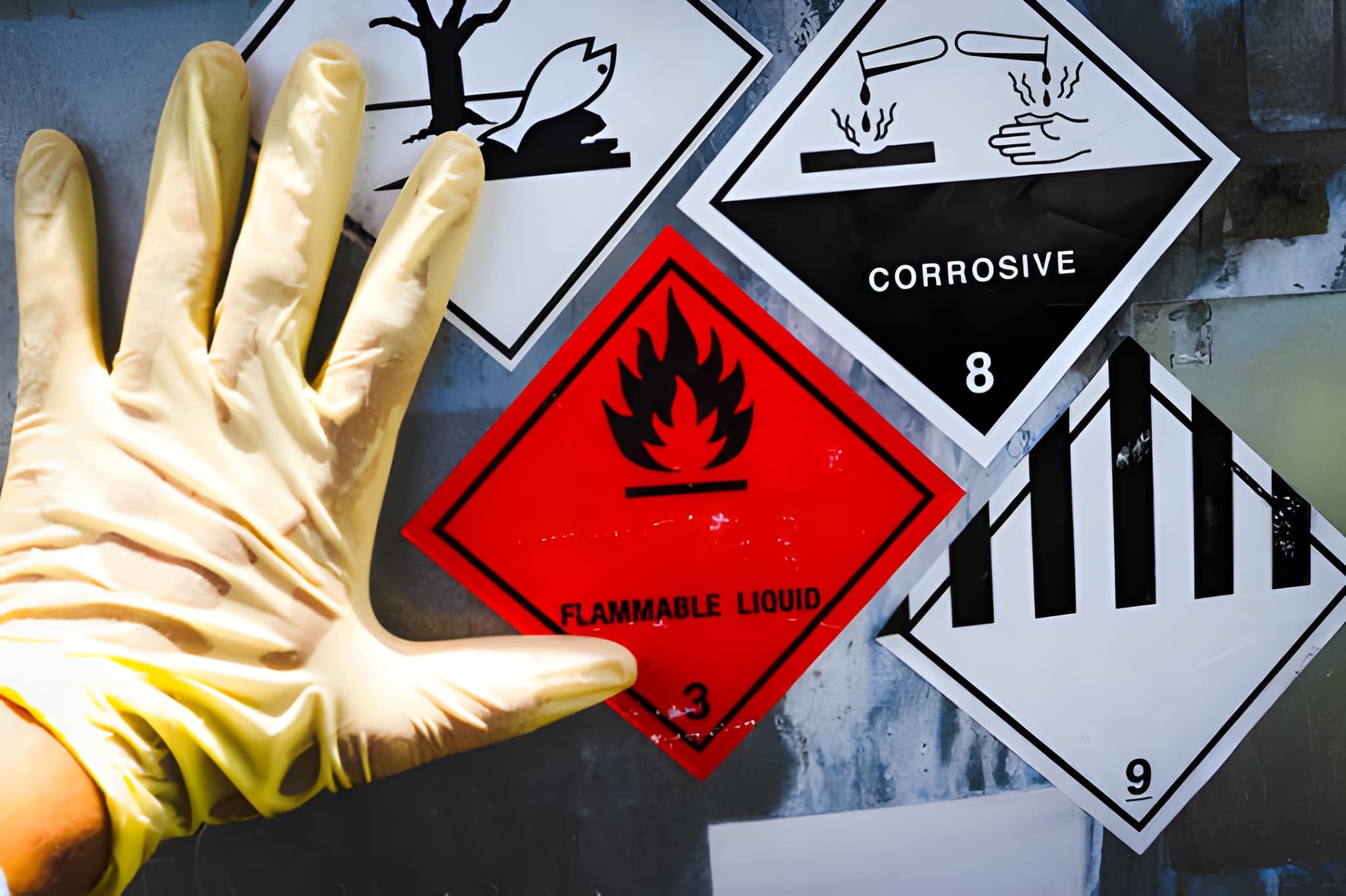
- Flammable Liquids: Gasoline, cooking oil, and diesel fuel are highly combustible and can lead to rapid-spreading Class K fires. Proper handling, ventilation, and storage are critical.
- HVAC Units: Accumulation of dust and debris in HVAC systems can cause overheating, potentially sparking fires. Regular maintenance is key to preventing these hazards in the workplace.
- Kitchen Areas: Open flames, cooking oils, and LPG can trigger fires in workplace kitchens. Safe practices, such as monitoring cooking and installing fire extinguishers nearby, are crucial.
- Exit Route Obstruction: Blocked hallways, doors, or stairwells can impede evacuation during a fire. Workplaces should maintain at least two accessible exit routes, free from obstacles.
- Human Error: Negligence in electrical maintenance, improper use of devices, or unsafe behaviours can initiate fires. Staff training and accountability are necessary to reduce risks.
Preventing and Mitigating Fire Hazards in the Workplace
Preventing fires in the workplace requires a combination of planning, equipment, awareness, and compliance.
Fire Safety Policies and Plans
Fire safety plans can help prevent workplace fires. They should include:
- Clearly defined evacuation procedures and regular drills.
- Unobstructed emergency exits and visible signage.
- Periodic reviews and updates of fire safety protocols.
These measures ensure that employees can respond calmly and efficiently in emergencies, potentially saving lives and property.
Fire Detection and Alarm Systems
Early detection is critical to containing fires before they escalate. To ensure this, workplaces should install:
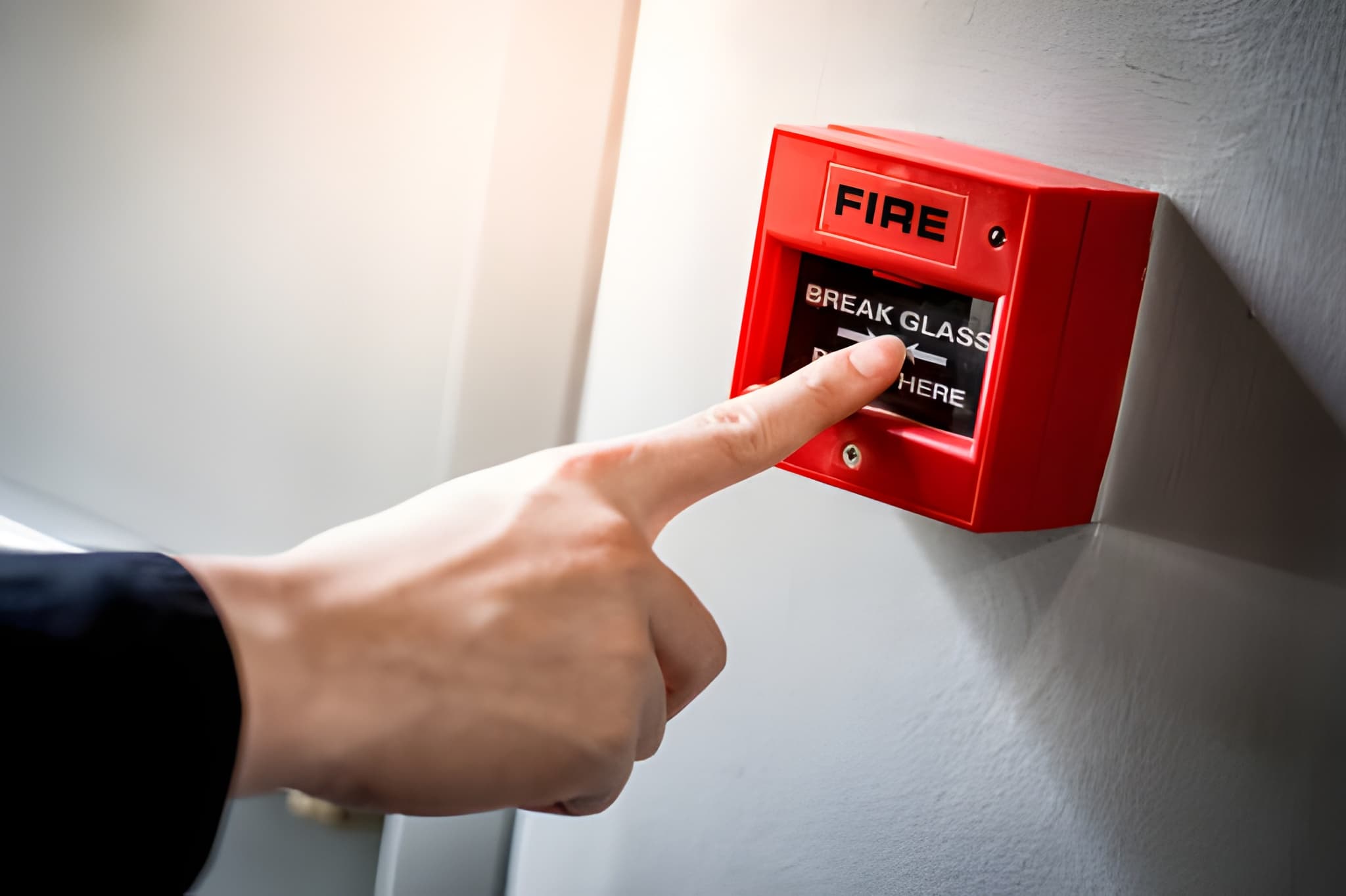
- Smoke, heat, gas, and fume detectors to alert occupants.
- SCDF-compliant alarm systems that meet regulatory standards.
Fire-Resistant Construction and Materials
The choice of building materials significantly impacts
fire safety in the building. Non-combustible options, such as brick, stone, and steel, should be prioritized for structural elements. Workplace interiors can benefit from fire-rated boards, mineral wool, and intumescent coatings, while combustible materials such as timber or plywood should be avoided in high-risk areas.
Fire Suppression and Equipment
Properly maintained fire suppression systems can drastically reduce damage:
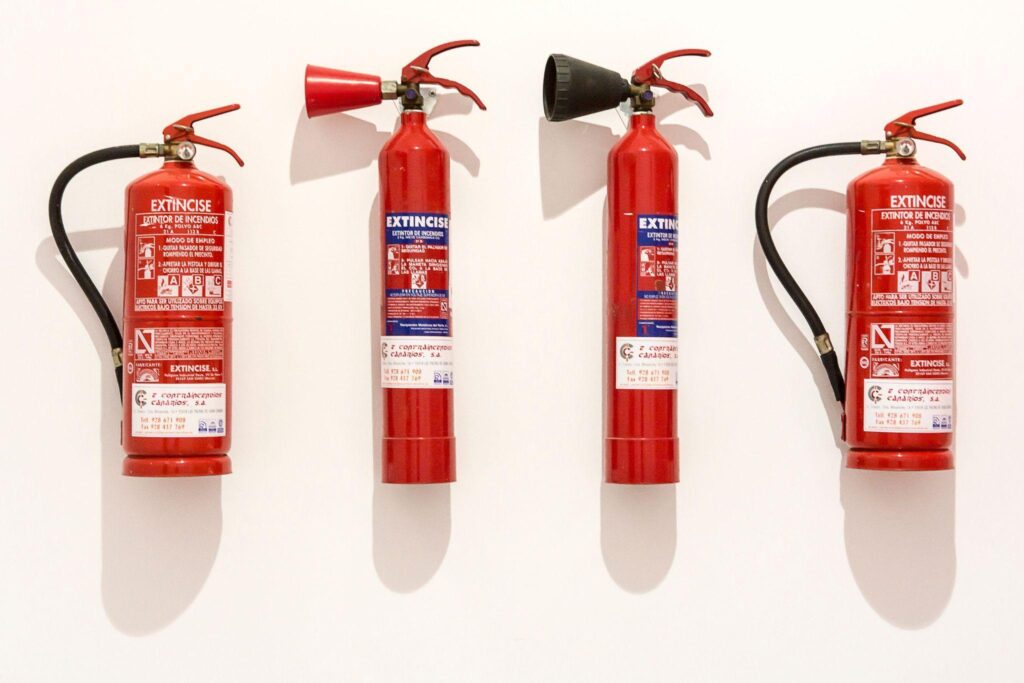
- Install portable fire extinguishers, sprinklers, and hose reels at strategic points.
- Consider sprinkler systems with IoT sensors for early detection and automatic suppression.
- Schedule regular inspections to ensure compliance and functionality, with expert guidance from Soteria.
Employee Training and Awareness
Even the best fire prevention systems are only effective when employees in the workplace are aware of the basic fire safety tips and know how to respond:
- Train staff on fire extinguisher safety tips and emergency response procedures.
- Conduct regular fire drills to reinforce protocols.
- Educate employees on proper handling and storage of hazardous materials, including flammable liquids.
Strengthen Workplace Fire Safety with Soteria
Preventing fire hazards in the workplace combines hazard identification, mitigation strategies, effective systems, and staff preparedness. By adhering to fire safety protocols, organizations can prevent loss of life, minimize property damage, and avoid legal penalties.
Moreover, engaging professional services like Soteria ensures workplace safety measures comply fully with SCDF regulations and helps obtain the
Fire Safety Certificate for commercial buildings.
Contact our
fire and life safety consultants in Singapore today for expert fire code compliance support.