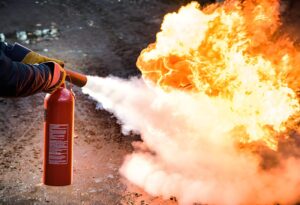
Fire extinguishers are used to control small fires before they spread, safeguarding lives and property. However, choosing the wrong type, size, or quality can significantly compromise safety and reduce its effectiveness during an emergency.
Therefore, knowing the types of fire extinguishers available, choosing the right size and capacity, and assessing their features and operation will help you determine which fire extinguisher to buy.
Different Types of Fire Extinguishers
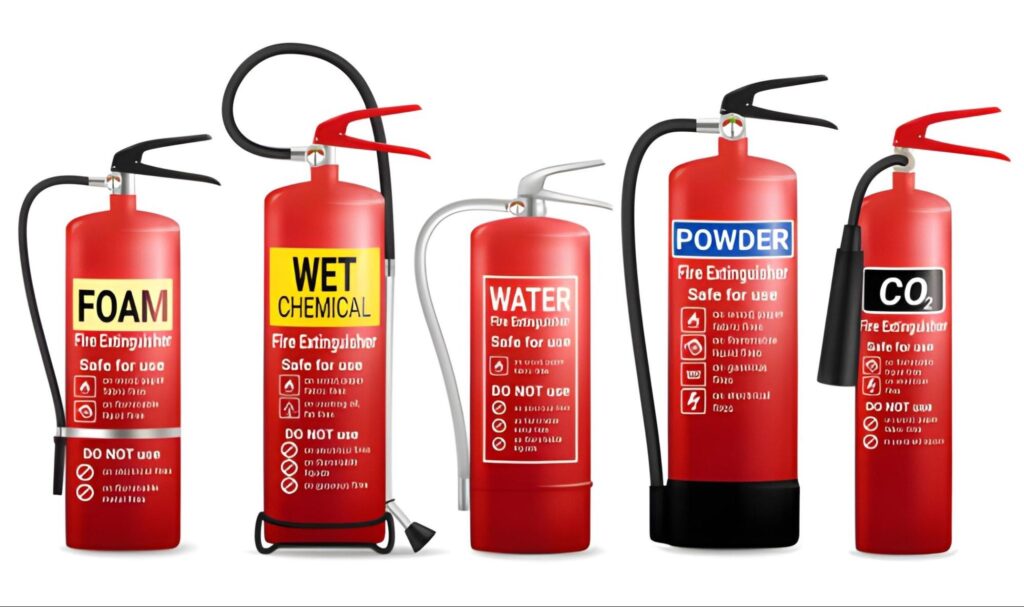
Every fire extinguisher is engineered for a specific class of fire. This means that not all extinguishers work the same way.
- Water Extinguishers: Best suited for Class A fires, which involve combustible materials such as paper, wood, and cloth. These extinguishers cool the burning material and help prevent re-ignition.
- Foam Extinguishers: Effective on Class A and B fires, foam extinguishers create a cooling effect on solid materials and form a barrier over flammable liquids, cutting off the oxygen supply.
- Carbon Dioxide (CO₂) Extinguishers: Ideal for Class B and electrical fires, CO₂ extinguishers displace oxygen, suffocating the flames without leaving residue.
- Dry Powder Extinguishers: Known for their versatility, these are multi-purpose extinguishers suitable for Class A, B, and C fires, covering combustible solids, flammable liquids, and gas fires.
- Wet Chemical Extinguishers: Specifically designed for Class F fires involving cooking oils and fats, these extinguishers cool and neutralize the burning substance, preventing re-ignition.
Choosing the Right Size and Capacity
The size and capacity of a fire extinguisher significantly influence its effectiveness and ease of use. For example, an extinguisher that’s too small may not be able to control a growing fire, while one that’s too large may be difficult for staff to operate during an emergency.
To choose correctly, start by evaluating the size and layout of your premises.
- Larger areas, such as factories or warehouses, generally require high-capacity fire extinguishers that can sustain discharge for longer periods.
- Smaller spaces, on the other hand, may be adequately protected with compact, lightweight models that are easier to handle and store.
- When evaluating options, also consider weight, dimensions, and ease of operation.
- The extinguisher should offer enough capacity to handle likely fire scenarios without being cumbersome.
Assessing Extinguisher Features and Operation
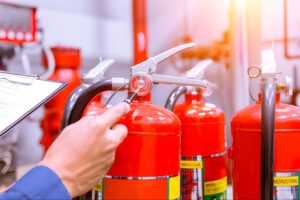
Modern fire extinguishers come with features that enhance usability, control, and overall effectiveness during emergencies.
Key Features to Look For
When purchasing, pay close attention to:
- Pressure gauges for quick visual status checks.
- Easy-to-follow operating instructions are clearly printed on the body.
- Accessible safety pins and ergonomic handles for swift activation.
- Adequate hose length and nozzle design for improved reach and coverage.
Certifications and Safety Standards
In Singapore, it is essential to ensure that your fire extinguishers comply with recognized standards such as SCDF and SS EN 3.
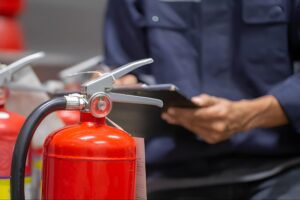
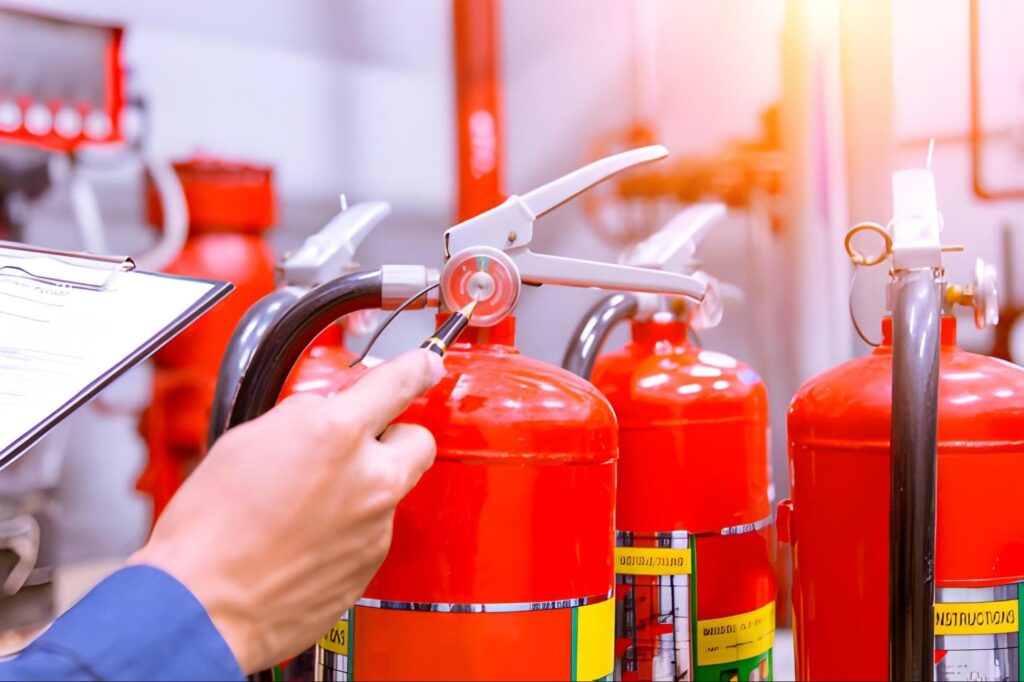
Confirm that the manufacturer offers servicing and warranty support, and conduct employee training sessions to ensure everyone understands how to operate the equipment effectively. Moreover, fire extinguishers must be routinely maintained to ensure reliability and compliance.
Budget Considerations and Total Cost of Ownership
While price is a practical factor, it should not be the only one guiding your decision. Beyond the purchase price, consider the following:
- Maintenance and servicing costs over the extinguisher’s lifespan.
- Durability and construction quality determine longevity.
- Warranty and supplier support, offering peace of mind and cost savings.
A high-quality fire extinguisher may come with a higher upfront cost, but it ensures reliability, fewer replacements, and lower long-term maintenance expenses.
Additional Tips
To maximize safety and efficiency:
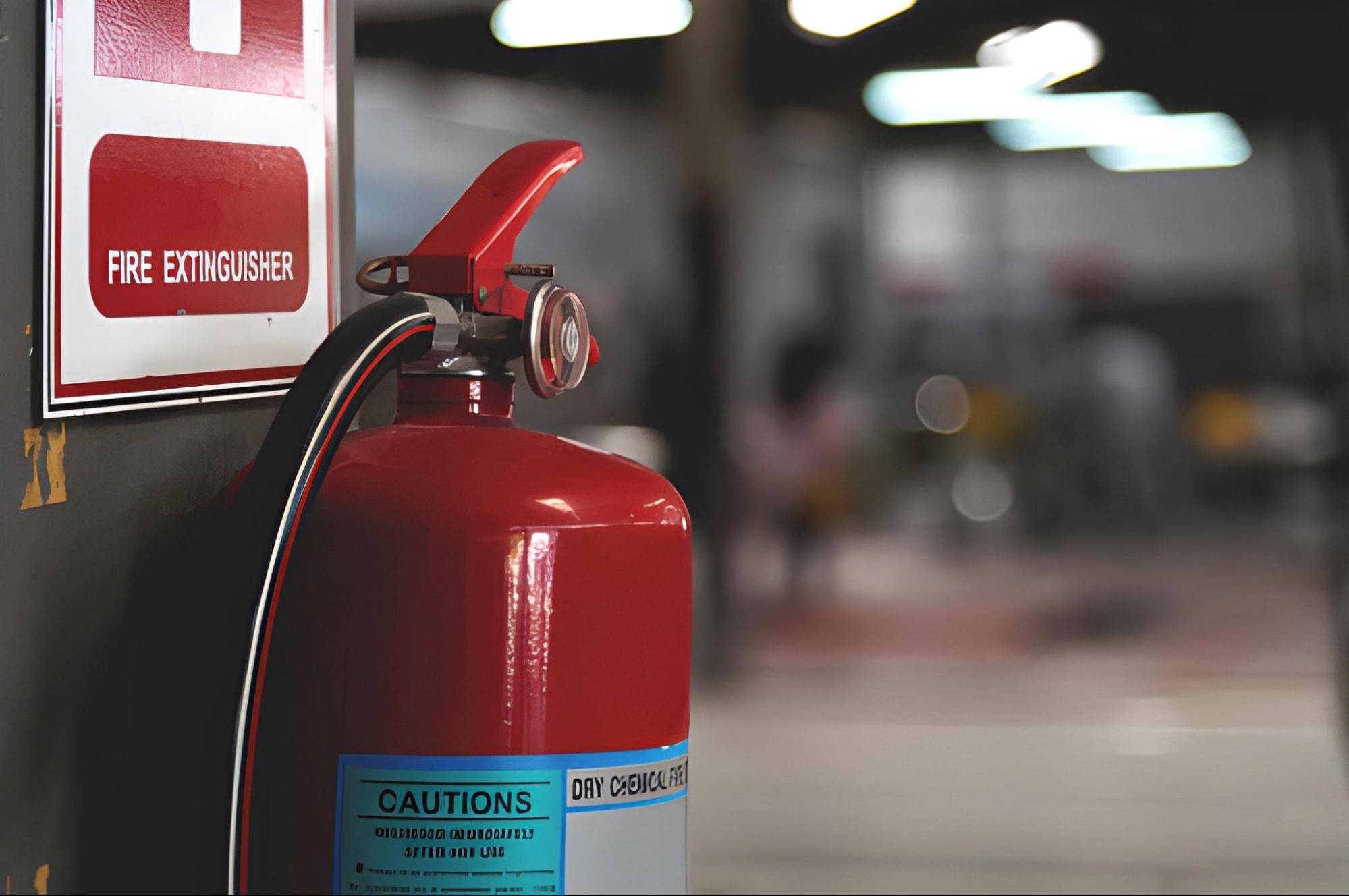
- Install extinguishers in accessible, clearly visible locations near exit routes.
- Map the building layout to strategically position extinguishers where fire risks are highest.
- Consult professional fire safety engineers, such as those at Soteria, to verify compliance with SCDF regulations and ensure your setup meets the latest safety standards.
Ensuring Fire Extinguisher Compliance with Soteria’s Inspection Services
To ensure your fire extinguishers remain compliant after purchase, our fire and life safety consultancy in Singapore provides expert pre-testing and inspection services for obtaining the Fire Safety Certificate in Singapore, led by professional engineers.
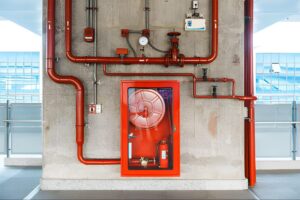
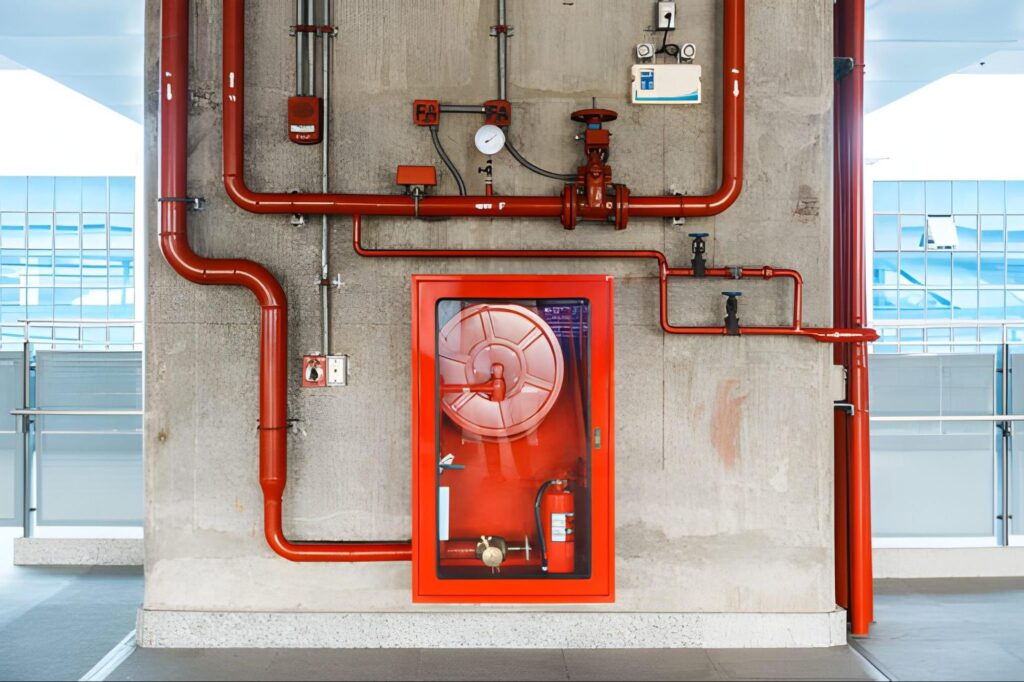
We conduct on-site audits covering fire alarms, sprinklers, hose reels, extinguishers, and more to verify proper functionality and Fire Code compliance before the official SCDF inspection. With our detailed assessments, you can be confident that your building meets all regulatory standards and is fully prepared for certification.
Engage our consultancy today to ensure compliance and long-term fire safety assurance.