Fire protection is critical for ensuring safety of people and property by implementing proactive fire protection systems and procedures to prevent, detect, and control fires. Without proper fire protection planning, the consequences can be devastating, ranging from significant building damage to injuries and even loss of life.
To effectively mitigate these risks, buildings must integrate a combination of fire safety measures, including both passive and active protection systems that limit fire spread and provide early alerts. In addition, effective fire suppression and detection technologies can help prevent fires from escalating.
1. Integrating Fire Protection Systems
A fire protection system is designed to detect and suppress fires at their earliest stages, preventing them from spreading and causing extensive damage. By integrating both detection and suppression mechanisms, these systems safeguard lives, protect property, and ensure compliance with the Singapore Civil Defence Force (SCDF) regulations for commercial and residential buildings.
For comprehensive fire protection, there are two main types of systems:
Passive Fire Protection (PFP)
Passive fire protection systems are built directly into a building’s structure to contain fires and slow their spread. These systems do not require activation and work continuously, providing a constant barrier against fire.
Examples include:
- Fire-resistant walls, ceilings, and floors that compartmentalize the building.
- Fire-rated doors that prevent the spread of smoke and flames between rooms.
The main benefits of PFP are:
- Limiting the fire to a specific area gives occupants more time to evacuate safely.
- Reducing property damage by preventing the fire from spreading throughout the building.
Active Fire Protection (AFP)
Active fire protection systems are designed to detect, alert, or suppress fires actively in a building. Unlike passive systems, they require some form of activation, whether automatic or manual, to function.
Common examples of AFP systems include:
- Fire alarms and smoke detectors
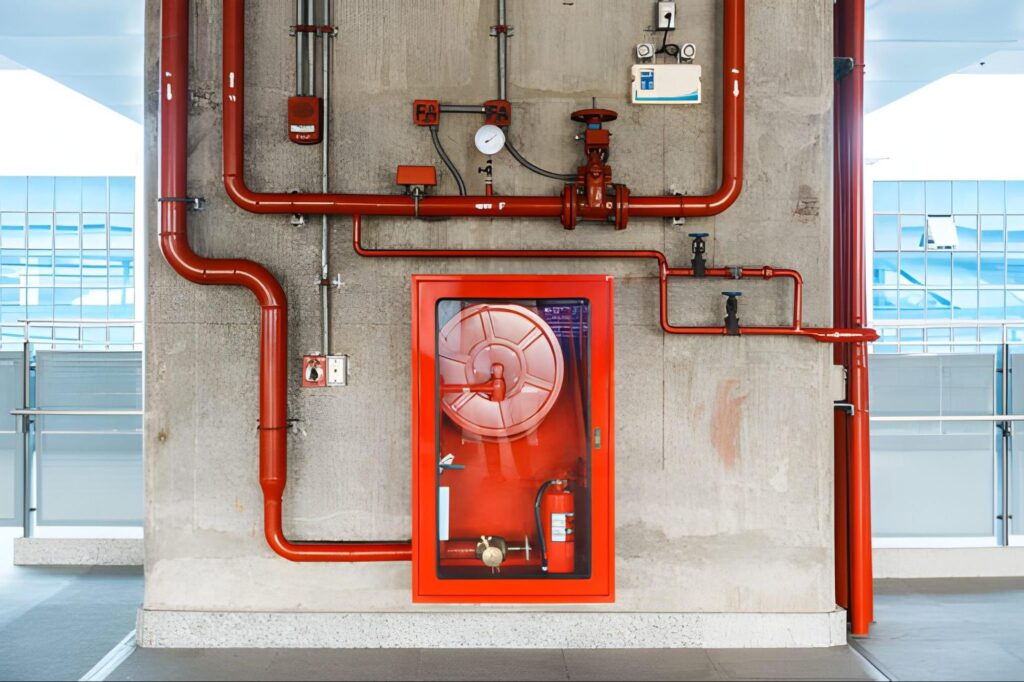
- Sprinkler systems
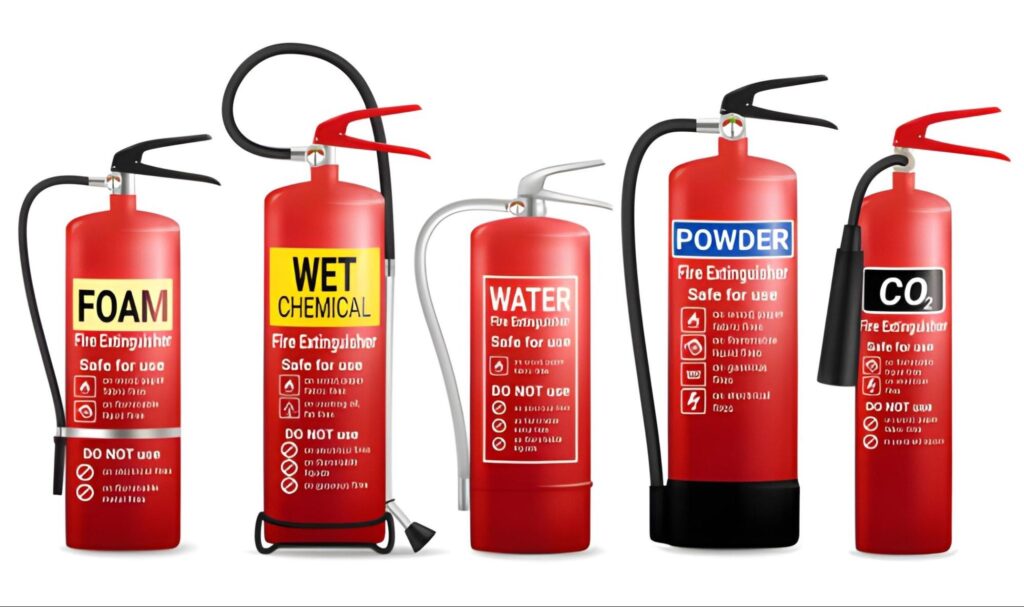
- Fire extinguishers
- Clean Gas Systems
The primary goal of the AFP system is to control or suppress a fire early, while simultaneously alerting occupants to enable a safe evacuation. It is broadly divided into two types:
(a) Fire Suppression Systems
Fire suppression systems are solutions that quickly suppress or extinguish fires, often using gases or chemical agents rather than water, making them suitable for sensitive environments.
Examples include:
- CO₂ suppression systems
- Dry chemical agents
- Gas suppression systems for areas like server rooms or laboratories
Best practices for fire suppression systems:
- Schedule annual inspections to maintain system reliability and SCDF compliance.
- Engage professional services for installation and maintenance to ensure complete coverage and correct operation.
(b) Fire Detection Systems
Fire detection systems are designed to detect smoke, heat, or flames and trigger alarms to warn building occupants.
Key components include:
- Smoke detectors and heat sensors
- Control panels that monitor system status
- Audible and visual alarms to alert occupants
Best practices for fire detection:
- Install detectors on every level of the building, including basements and utility areas.
- Test alarms regularly and replace batteries annually to ensure functionality.
- Early detection enables rapid evacuation, providing occupants with precious time to escape and reducing fire-related losses.
2. Preparing for Fire Emergency
Beyond integrating fire protection systems, fire emergency preparedness involves procedures, training, and planning to ensure occupants can respond effectively in the event of a fire.
Fire Safety Training and Awareness
Conducting regular fire safety education sessions is vital for familiarizing building staff with potential hazards and proper response procedures. Training should cover:
- Correct use of fire extinguishers
- Awareness of escape routes and emergency exits
- Activation of alarms and notification procedures
Reinforcing a safety culture ensures that employees remain calm and take appropriate action during emergencies, minimizing risks to themselves and others.
Evacuation Planning
A well-designed evacuation plan guides the building’s occupants to safety during a fire emergency. Key elements of an effective evacuation plan include:
- Clearly marked escape routes and exits
- Designated assembly points outside the building
- Floor wardens or trained personnel to guide occupants
The Fire Safety Manager, who is responsible for completing a fire risk assessment, should regularly review and update evacuation plans. This will ensure the plan reflects any layout changes or newly identified hazards.
3. Minimising Fire Hazards
Minimizing fire hazards in daily operations is crucial for building safety. Common fire hazards comprise:
- Faulty or overloaded electrical wiring
- Improper storage of flammable liquids
- Accumulation of combustible waste or clutter
- Smoking in restricted areas
To mitigate these hazards, the following preventive actions are recommended:
- Repair or replace damaged electrical equipment promptly.
- Store flammable materials safely in designated areas.
- Maintain clutter-free spaces to prevent fuel accumulation.
- Enforce strict “No Smoking” policies in vulnerable zones.
.
4. Distributing Fire Extinguishers Properly
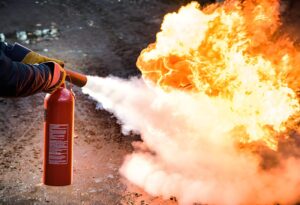
Fire extinguishers provide the first line of defence against small fires, allowing occupants to tackle incidents before they escalate. Proper placement and maintenance are essential for their effectiveness.
- Install extinguishers near exits, high-risk areas, and areas where flammable materials are stored.
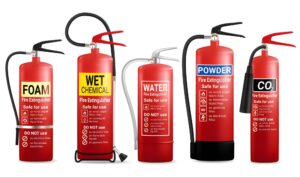
- Choose extinguishers suitable for different fire classes (A–F) to cover various fire types.
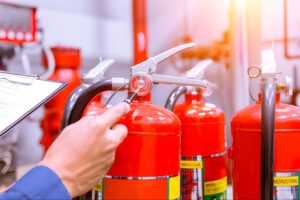
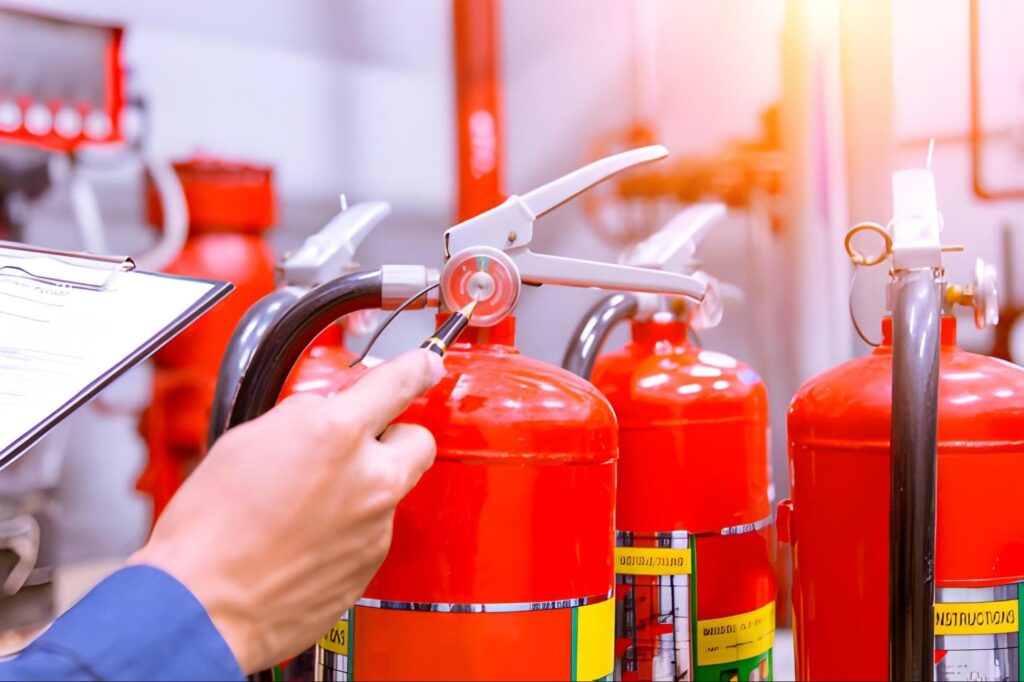
- Conduct monthly visual checks to identify any damage or tampering.
- Schedule annual professional servicing to ensure operational readiness.
5. Inspecting Fire Protection Systems Regularly
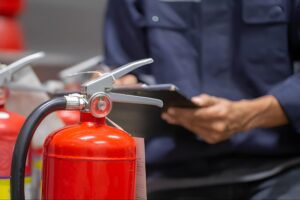
Routine inspections and maintenance are critical to guarantee that all fire protection systems in the building are functional and compliant.
Inspection scope includes:
- Fire alarms and detection systems
- Sprinklers and suppression systems
- Fire extinguishers and emergency lighting
Recommended schedule:
- Monthly: Visual checks for damage, obstruction, or tampering
- Annually: Full professional inspection for all systems
- Every 5–12 years: Pressure or hydrostatic testing for relevant equipment
Tip: Maintain updated logs of inspections and maintenance for SCDF audits and safety reviews.
Bonus: Additional Fire Protection Tips for Buildings
To further enhance fire safety in buildings, managers and occupants should consider these measures:
- Keep all escape routes and stairways clear of obstructions.
- Avoid overloading electrical circuits to reduce fire risk.
- Install and maintain smoke and CO₂ detectors on every floor.
- Conduct regular fire drills to familiarize occupants with emergency procedures.
- Store flammable materials in locked, ventilated cabinets.
- Train staff to use fire extinguishers and respond effectively during emergencies.
Achieve Fire Safety Compliance with Soteria’s Expert Guidance
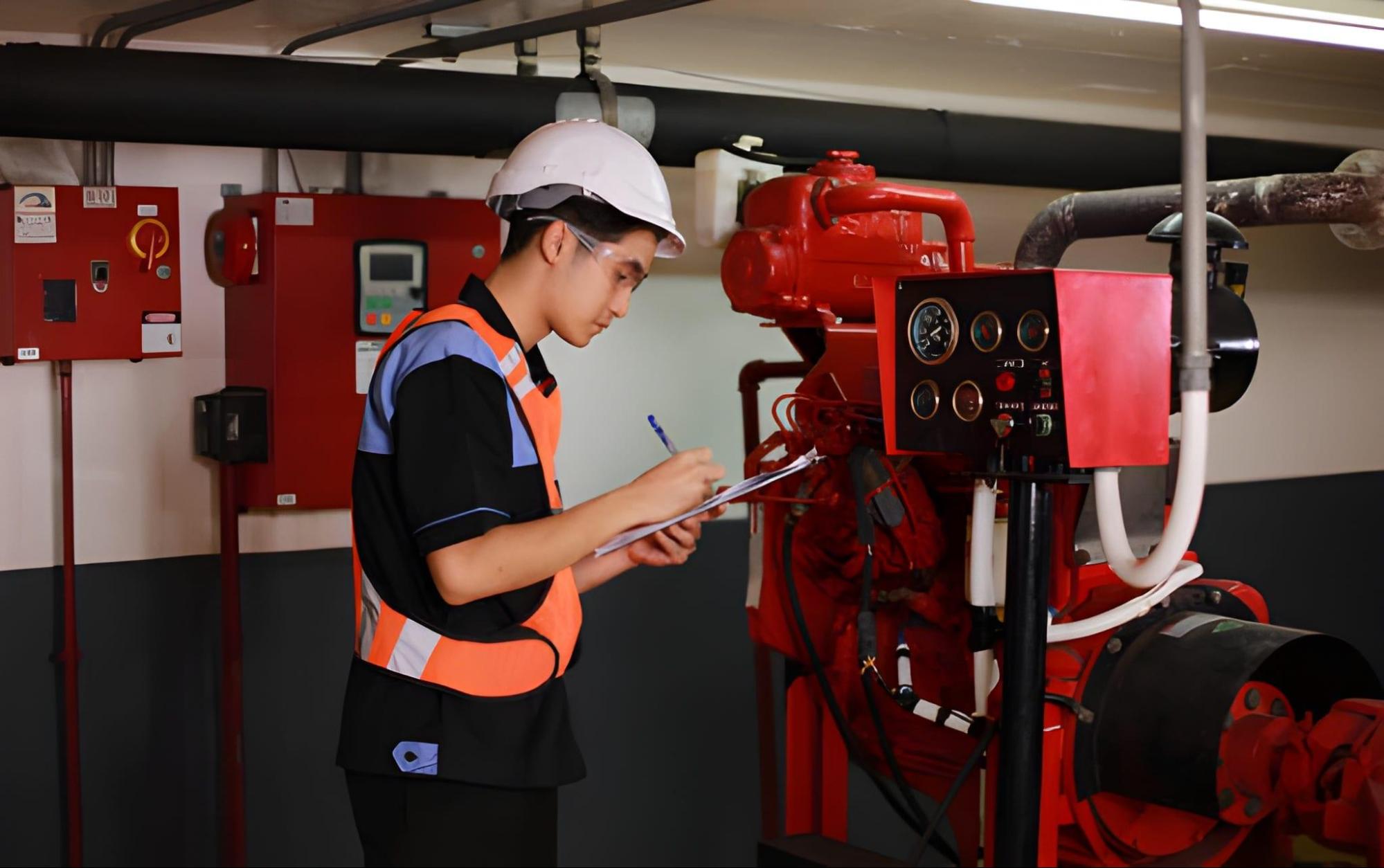
By integrating fire protection measures, building owners can not only safeguard lives but also ensure compliance with SCDF regulations and protect the long-term value of their assets. To implement these strategies successfully, expert guidance is essential.
This is where Soteria steps in.
As a fire and life safety consultancy in Singapore, we offer professional fire safety and code-compliance services, assisting businesses at every step, from system design and installation to inspection and ongoing maintenance. We also provide fire certificate pre-testing and inspection services, led by professional engineers, to help obtain the Fire Safety Certificate for commercial buildings.
Partner with Soteria today to design, inspect, and maintain fire protection systems that keep your building safe and fully compliant.