Fire extinguishers can help stop small fires from escalating into large-scale disasters. Yet, despite their importance, many workplaces in Singapore overlook key aspects such as proper placement, maintenance, and staff training, all of which are crucial for effective fire response.
Understanding Fire Extinguisher Safety Basics
Fire extinguishers are the first line of defence against fires that can quickly escalate if left unchecked. When used correctly, they can significantly reduce the risk of property damage, injuries, and fatalities, while also helping businesses avoid costly legal repercussions from the Singapore Civil Defence Force (SCDF) for non-compliance.
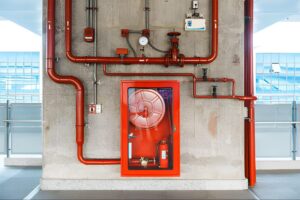
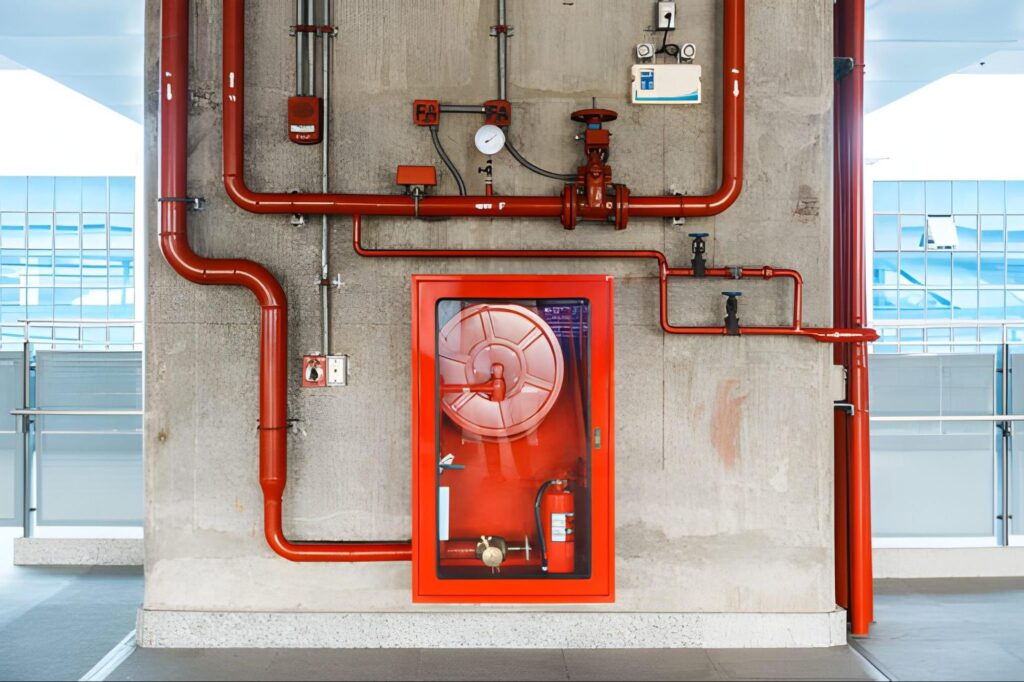
However, remember that fire extinguishers are not substitutes for a complete fire protection system; they are designed to handle only small, contained fires. When combined with fire safety measures such as alarms, sprinklers, and evacuation procedures, extinguishers form an integral part of a well-rounded fire preparedness strategy.
The Benefits of Widespread Availability
Ensuring the widespread availability of fire extinguishers throughout a building offers multiple safety and psychological benefits.
- Their presence acts much like insurance; while you hope never to use them, simply knowing they are within reach provides invaluable peace of mind to occupants.
- Having easily accessible extinguishers enables a swift response in the crucial first moments of a fire.
- Strategically placed fire extinguishers help maintain safe evacuation routes, allowing people to exit the premises without being obstructed by spreading flames or smoke.
How to Use a Fire Extinguisher Safely?
Before attempting to extinguish a fire, assess the situation carefully. Fire extinguishers should only be used when:
- You have received proper training in the operation of fire extinguishers.
- An alternative escape route is available and unobstructed.
- You identify the type of fire and are using the correct class of extinguisher.
- The fire is small, contained, and manageable, typically no larger than a wastepaper bin.
If any of these conditions aren’t met, it’s safer to evacuate immediately and alert emergency responders rather than risk injury.
The PASS Method (Step-by-Step Guide)
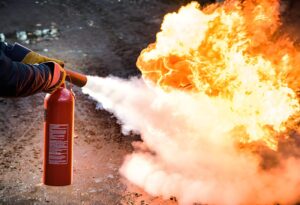
The PASS technique provides a simple way to use a fire extinguisher correctly:
- Pull the pin to unlock the extinguisher and break the tamper seal.
- Aim the nozzle or hose at the base of the fire from a safe distance (about 6–10 feet).
- Squeeze the handle slowly to release the extinguishing agent.
- Sweep the nozzle side-to-side across the fire’s base until the flames are completely extinguished.
- Once the fire stops, watch closely for re-ignition and be prepared to use the extinguisher again if needed.
Common Mistakes to Avoid
Even with training using fire extinguishers, errors can occur during high-stress situations such as:
- Using the wrong extinguisher type; for example, never use a water-based extinguisher on electrical or oil fires.
- Standing too close to the flames can reduce safety and effectiveness.
- Failing to retreat when the fire becomes uncontrollable.
Creating a Fire Extinguisher Safety Plan
A fire safety plan combines precautions, training, clear accessibility, and ongoing maintenance to ensure that fire extinguishers are ready for use at any time.
1. Employee Training and Awareness
Education is key to effective fire safety. Conduct regular training sessions covering:
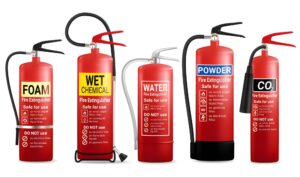
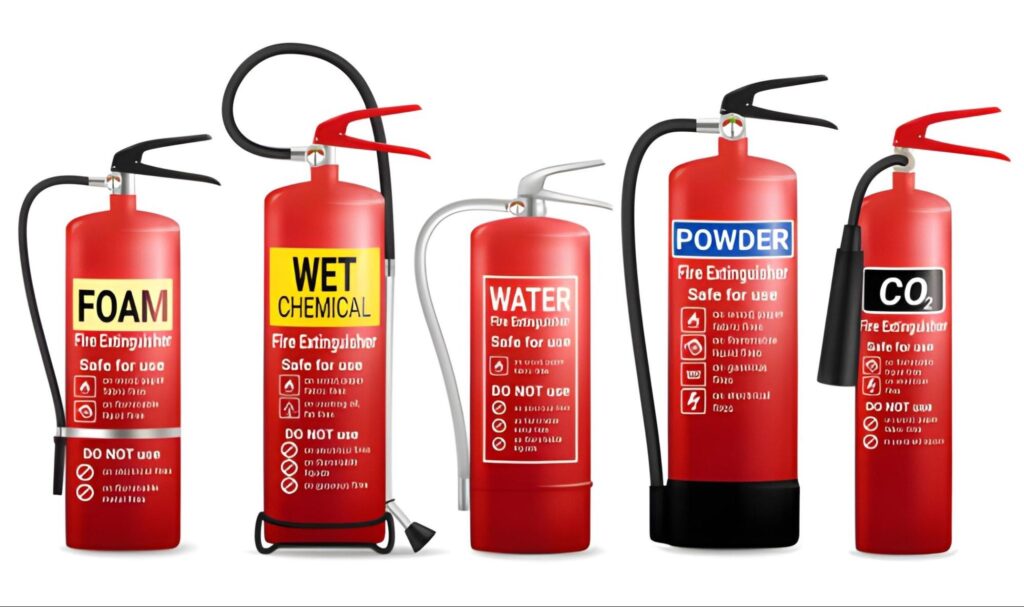
- Extinguisher types and their uses:
- Water Extinguishers: Suitable for Class A fires involving paper, wood, and other ordinary combustibles.
- Foam Extinguishers: Effective on Class A and Class B fires caused by flammable liquids.
- CO₂ Extinguishers: Designed for electrical fires and flammable liquid fires, leaving no residue.
- Dry Powder Extinguishers: Versatile option for Class A, B, and C fires, commonly used in workplaces.
- Wet Chemical Extinguishers: Specifically for Class K (F) kitchen fires involving oils and fats.
- Practical demonstrations and safety tips on using fire extinguishers.
- Emphasis on multipurpose (ABC) extinguishers, which are common in offices but may damage electrical components if misused.
2. Marking and Sharing Extinguisher Locations
A well-prepared workplace ensures that everyone knows where the nearest extinguisher is located. To ensure this:
- Place extinguishers in visible and accessible areas.
- Use clear signage, lighting, and floor markings for easy identification.
- Conduct regular safety walkthroughs to help team members become familiar with fire extinguisher locations.
3. Regular Inspection and Maintenance
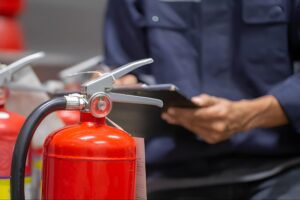
To maintain compliance and readiness, fire extinguishers must be routinely maintained and inspected. This involves:
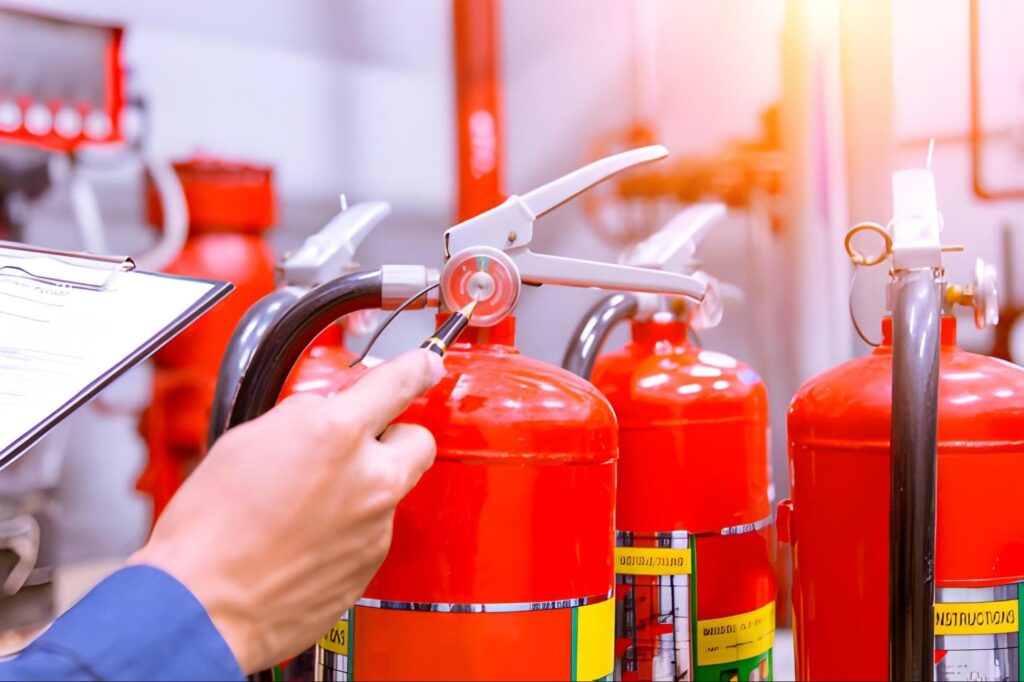
- Checking pressure gauges, nozzles, and safety pins for signs of wear or tampering.
- Replacing or recharging extinguishers after use or when past their expiry date.
- Scheduling annual professional inspections in line with local regulations and insurance requirements.
Strengthening Workplace Fire Safety with Soteria’s Compliance Expertise
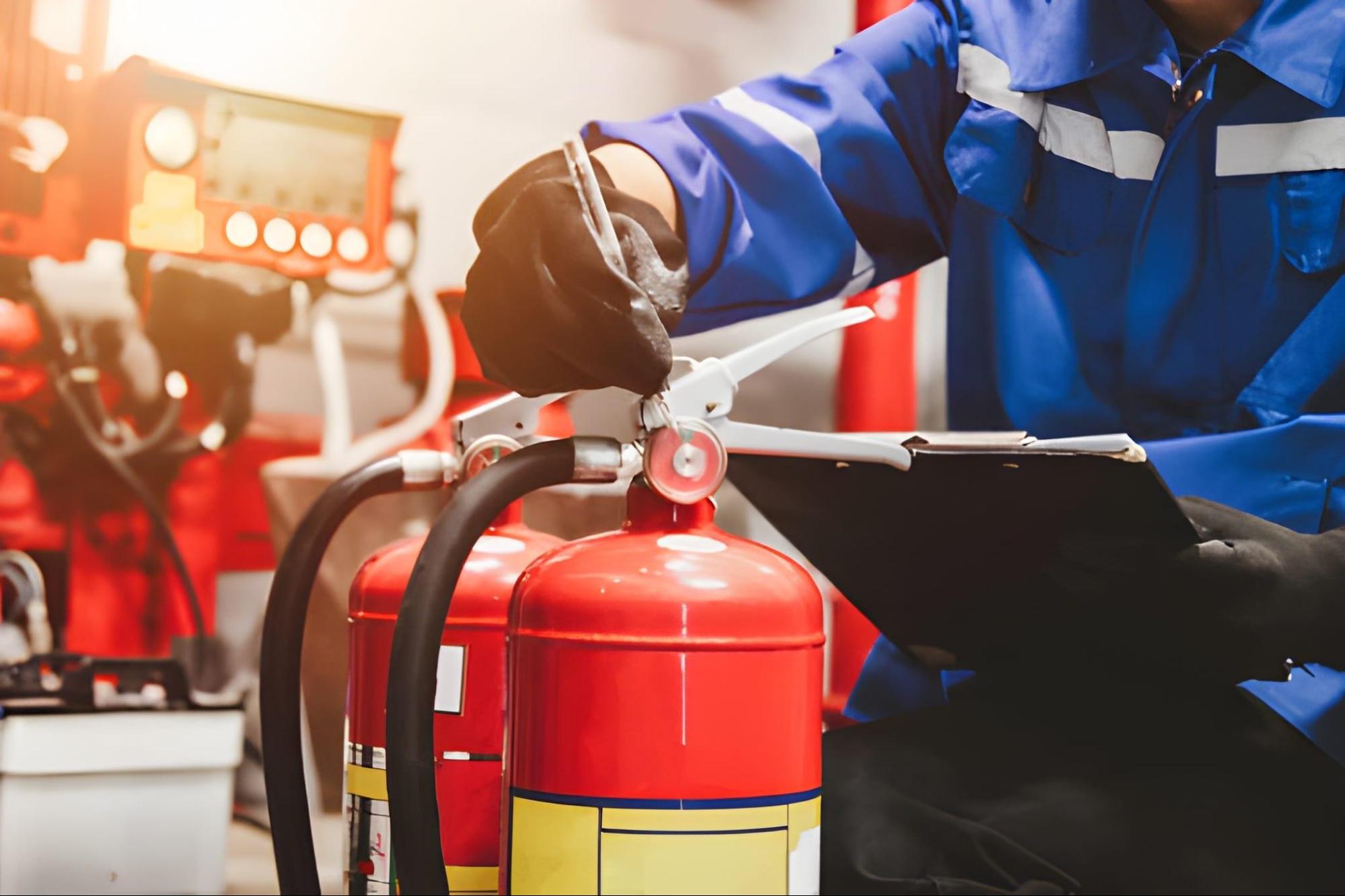
Regular inspections and maintenance of fire extinguishers keep them in top condition and also help prevent costly penalties or delays during Fire Safety Certificate renewal.
To help you maintain ongoing compliance with local fire safety regulations and obtain the SCDF Fire Safety Certificate, Soteria offers expert fire safety audits and on-site physical inspections conducted by qualified engineers.
During these assessments, every fire safety feature, including fire extinguishers, is thoroughly inspected and verified against both your building’s approved plans and the latest SCDF Fire Code standards. Through this detailed approach, we ensure that every aspect of your fire protection system meets Fire Code compliance in Singapore, keeping your premises safe, audit-ready, and fully equipped to respond effectively in the event of a fire.
Get in touch with us today to ensure your workplace remains compliant, well-equipped, and fully prepared for any fire emergency.