Fires can stem from different sources, and knowing how to handle each type correctly is crucial for safety and compliance.
In Singapore, the SS 578 standard classifies fires by the fuel involved, with each category requiring a specific extinguishing approach. Learning about fire classification helps choose the appropriate fire extinguisher, prevent escalation, and comply with Singapore Civil Defence Force (SCDF) safety regulations.
1. Class A Fires
Class A fires involve ordinary combustible materials such as wood, paper, cloth, plastic, rubber, and other organic substances. These fires are commonly encountered in offices, homes, and industrial settings. Examples include office furniture, curtains, paper waste, and packaging materials.
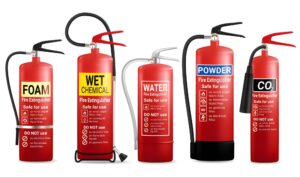
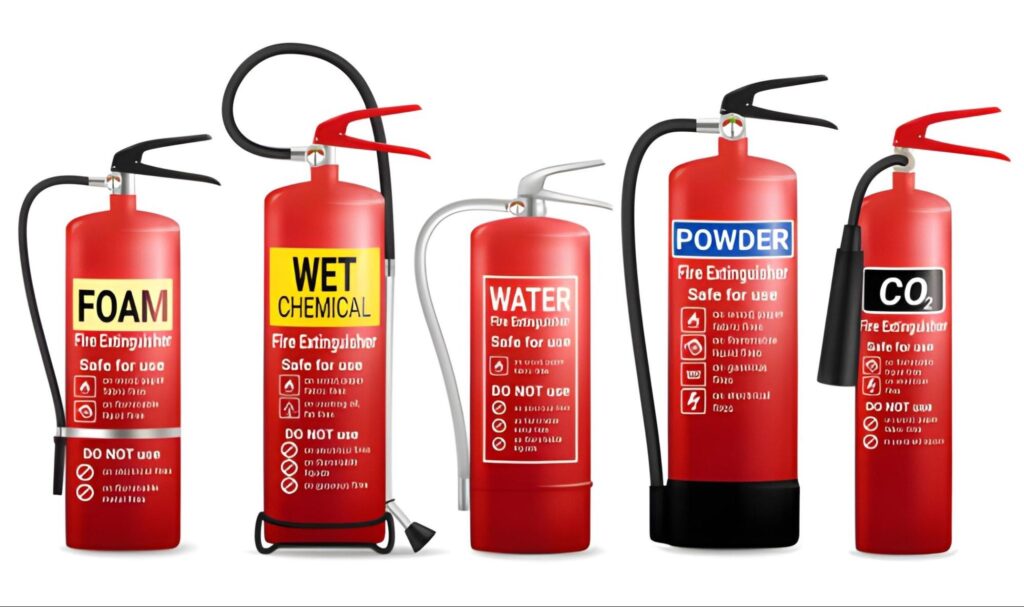
To effectively combat Class A fires, dry powder and foam fire extinguishers are recommended. While dry powder rapidly suppresses flames, foam not only extinguishes the fire but also prevents reignition by creating a barrier between the fuel and oxygen.
2. Class B Fires
Class B fires are triggered by flammable liquids such as petrol, oils, paint, solvents, and liquefiable solids. These fires are commonly found in fuel storage areas, workshops, car parks, and petrol stations.
The appropriate extinguishing methods include dry powder fire extinguishers for rapid flame suppression and foam extinguishers to prevent reignition.
3. Class C Fires
Class C fires involve flammable gases such as propane, butane, and LPG, which pose significant risks due to their highly combustible nature.
Before attempting to extinguish the fire, it is crucial to turn off the gas source if it can be done safely, as isolating the fuel helps prevent further escalation. When the gas cannot be shut off, dry powder fire extinguishers are the recommended option for controlling the flames.
4. Class D Fires
Class D fires are caused by combustible metals such as magnesium, titanium, potassium, lithium, and sodium, which present unique hazards in firefighting. These fires are classified as special-hazard fires because they can react violently to water or foam, often intensifying the blaze rather than controlling it.
To manage such fires safely, specialized Class D fire extinguishers are required, each designed for specific types of metals. Furthermore, proper operator training is essential, as using the wrong extinguisher can exacerbate the fire and pose serious safety risks.
5. Class F Fires
Class F fires occur when cooking media overheat, making them common hazards in both commercial and domestic kitchens. Typical examples include restaurant fryers, home stoves, and industrial kitchen equipment, where large volumes of hot oil can ignite rapidly.
To effectively combat these fires, wet chemical fire extinguishers are recommended, as they not only cool the burning oils but also create a protective barrier that prevents reignition.
6. Electrical Fires
Faulty wiring, short circuits, or overloaded sockets trigger electrical fires. While electricity itself does not burn, it can ignite surrounding Class A or B materials, creating a serious fire hazard.
Before attempting to fight an electrical fire, always disconnect the power source if it is safe to do so, as this reduces the risk of electrocution and limits fire spread. For firefighting, dry powder extinguishers are ideal because they are non-conductive and safe for use on live equipment.
7. Lithium Battery Fires
Lithium battery fires arise from overheating lithium-ion cells, which can trigger thermal runaway and cause the batteries to self-ignite. Such fires are commonly associated with devices such as e-bikes, power banks, smartphones, and electric vehicle batteries. They pose unique challenges because they are challenging to extinguish with conventional methods such as water, foam, or dry powder, none of which can effectively cool the cells or stop the reaction.
To address these fires effectively, Aqueous Vermiculite Dispersion (AVD) extinguishers are recommended, as they work by cooling the affected cells and sealing the area to cut off oxygen, helping to contain the blaze.
Why Does Knowing Fire Classes Matter?
The distinction between the different types of fire is essential for several reasons:
- Safety Awareness: Ensures the correct selection and use of extinguishers in emergencies.
- Regulatory Compliance: Aligns with SCDF and SS 578 standards.
- Workplace Readiness: Prevents the wrong extinguishing method from worsening the fire.
- Fire Prevention Planning: Supports risk assessments and facilitates the design of fire protection systems.
Ensure Fire Safety and Compliance with Soteria’s Expertise
By recognising the specific risks associated with each type of fire, property owners and developers can take informed steps to reduce hazards and ensure SCDF compliance. To support this, Soteria, a fire and life safety consultant in Singapore, provides a full spectrum of professional engineering consultancy services. This includes fire safety and code compliance audits, application and renewal of the Fire Safety Certificate in Singapore and more.
Contact Soteria today to ensure fire safety in your building and full SCDF compliance with expert guidance every step of the way.